
Top-Rated Materials For Stamped Concrete Service Applications
Learn about the most trusted materials that ensure long-lasting and visually appealing stamped concrete results.
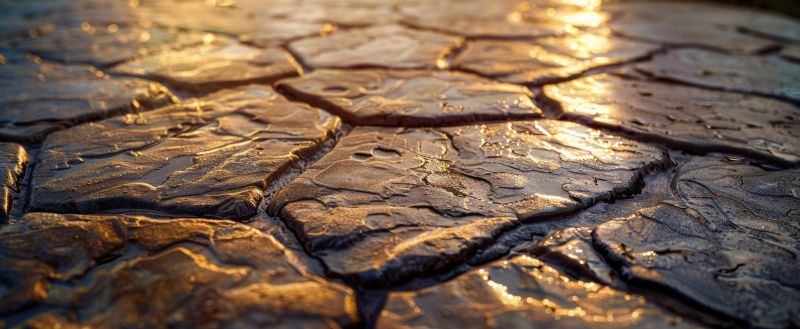 Stamped concrete is a versatile and attractive option for enhancing the appearance of various surfaces, including patios, walkways, driveways, and pool decks. It involves creating textured patterns that mimic natural materials such as stone, brick, or slate, providing a decorative finish that can significantly elevate the aesthetic appeal of outdoor spaces. The process typically involves pouring concrete and then impressing molds or stamps into the surface before it sets, resulting in a durable and visually appealing surface.
Top Overall Option
High-Quality Concrete Stamping Kit
A comprehensive concrete stamping kit that includes a variety of textured mats, release agents, and color options. Designed for versatility and ease of use, this kit provides everything needed to create durable and visually appealing stamped concrete surfaces. Suitable for both professionals and DIY enthusiasts aiming for consistent results.
Types of Products For Stamped Concrete Service
Stamping Mats and Textures
Flexible mats and skins that imprint patterns onto freshly poured concrete, mimicking natural stone, brick, or slate.
Release Agents
Products used to prevent sticking of the stamping mats to the concrete and to enhance the appearance of the pattern.
Color Hardener
Powdered color additives applied to the surface to achieve vibrant and lasting color effects.
Liquid Color Stains
Fluid colorants that can be applied to add depth and variation to stamped surfaces.
Sealants and Topcoats
Protective coatings that enhance durability, provide gloss or matte finishes, and seal in color.
Texturing Tools
Hand tools used to add additional textures or refine stamped patterns for a more natural look.
Concrete Admixtures
Additives that improve workability, curing time, and strength of the stamped concrete.
Curing Compounds
Products that help retain moisture during curing, ensuring optimal strength and finish quality.
Edge Restraints
Materials used to define borders and prevent cracking or shifting of stamped concrete edges.
Joint Fillers and Sealants
Materials for filling expansion joints and sealing cracks to maintain surface integrity.
Popular Choices
Widely used for creating realistic stone or brick textures in various projects.
Commonly selected for their ease of application and clean release properties.
Popular for providing uniform color throughout the concrete mix.
Favored for their durability and ability to enhance the appearance of stamped concrete.
Used frequently to add subtle or vibrant color variations to stamped surfaces.
Selected for finishing stamped concrete with a protective and aesthetic coating.
Popular for adding additional surface detail or refining stamped patterns.
Commonly used to maintain moisture during curing in various weather conditions.
Essential for creating control joints and preventing cracking.
Often added to enhance the visual appeal of the finished stamped surface.
Popular for sealing expansion joints and cracks for long-term durability.
Used for adding additional patterns or textures after stamping.
Applied to delay surface setting, aiding in creating antiqued or weathered effects.
Chosen for their ability to produce vibrant, long-lasting colors.
Enhance concrete strength and flexibility for demanding applications.
For professionals offering stamped concrete services in Bentonville, AR, selecting the right products is essential to achieve consistent and high-quality results. These products include specialized release agents, stamping mats, texture skins, sealers, and colorants. Each plays a vital role in ensuring the stamped pattern looks authentic, the surface is protected from wear and weathering, and the desired color effects are achieved. Proper product selection can also influence the ease of application and the overall longevity of the finished surface.
When choosing products for stamped concrete, it is important to consider compatibility with existing concrete mixes, ease of use, drying and curing times, and the type of finish desired. For example, some sealers offer matte finishes, while others provide a glossy appearance. Additionally, colorants can be added to achieve various hues, from subtle earth tones to vibrant shades, depending on client preferences. Investing in quality products can help ensure the durability and aesthetic appeal of stamped concrete surfaces over time.
In Bentonville, AR, where outdoor living spaces are increasingly popular, the right products can help contractors and DIY enthusiasts create stunning concrete features that stand up to local weather conditions. Proper application techniques combined with the right product choices can lead to impressive results that enhance property value and curb appeal. Whether for residential or commercial projects, understanding the options available can help professionals deliver consistent, attractive, and long-lasting stamped concrete surfaces.
Key Buying Considerations
- Compatibility with existing concrete mixes and project requirements.
- Ease of application and working time to match project pace.
- Type of finish desired, such as matte or glossy sealers.
- Durability and weather resistance suitable for outdoor environments.
- Color options and whether they are integral, stain, or liquid-based.
- Quality and brand reputation of the release agents and sealers.
- Availability of different pattern textures to match design goals.
- Application tools included or required for the stamping process.
- Curing and drying times to ensure proper setting and finish.
- Cost-effectiveness considering the scope of the project.
- Environmental conditions during application, such as temperature and humidity.
- Long-term maintenance requirements for the stamped surface.
- Compatibility with additional decorative elements or overlays.
- User reviews and feedback on product performance.
- Availability of technical support or guidance from suppliers.